Just finished your phlebotomy training program and clinical externship — 100-120 hours, real venipunctures, real patients. No paid hours yet. We turn your externship metrics (total draws, first-stick rate, patient populations, mislabeled-specimen rate) into the exact bullets a lab manager reads when screening entry-level candidates.
You come from customer service, food service, or retail — you understand working with the public, staying accurate under volume, and keeping your station compliant. Phlebotomy draws directly on those skills. We translate your prior background into transferable-competency language and pair it with your fresh certification and externship numbers.
California requires CDPH phlebotomy licensure on top of a national cert — a specific 50-venipuncture externship log, a skin-puncture count, and a state-issued license number before you can draw unsupervised. We write your resume to show California employers you understand the regulatory lane and are already licensed (or clearly in-process).
Your externship or training included high-acuity patients — pediatric, geriatric, oncology, or difficult-stick adults. That exposure is a real differentiator at the entry level. We build bullets that name the patient population and the technique (butterfly needle, heel stick, scalp vein) with enough precision that a pediatric hospital or specialty lab takes notice.
Military medics and corpsmen draw blood — often a lot of it, often under pressure. When you separate and pursue CPT or PBT certification, your military venipuncture log is legitimate clinical experience. We translate it into civilian lab language and pair it with your certification to make a competitive entry-level phlebotomy resume.
Want this on your resume?
Drop your current resume — we'll show you exactly which bullets need the CAR + Callout rewrite.
More phlebotomist bullets like these — in your inbox.
Specialty-specific CAR + Callout examples for phlebotomist candidates, sent monthly.
Healthcare-fluent. Unsubscribe in one click. Privacy.
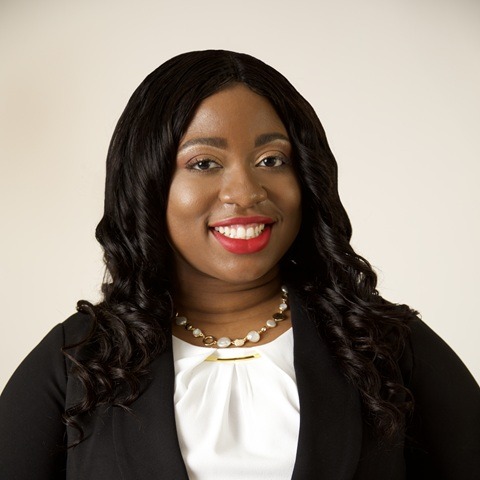
Reviewed by Keyerrá Buckley, CPhT, CLSSGB — Allied Healthcare Educator and founder of The Pharm.
See the full 2026 Allied Health Pay & Licensure Report — know your market: national and cost-of-living-adjusted state pay for every allied health role.
Work with Keyerrá on your healthcare resume → — storytelling rewrites that lead with your results.